Trusted Since 1994 in Sinchon, Seoul · 1:1 Personalized Eye Surgery, Facial Lifting & Anti-Aging by One Board-Certified Specialist
5.0 Verified Patient Satisfaction
en-US


Medical Guide
Anti-Aging Eye Surgery: What Recovery Really Looks Like
Learn what Anti-Aging Eye Surgery recovery really looks like, including healing stages, downtime, and results. Know what to expect and plan with confidence.
Schedule a ConsultationUnderstanding Age-Related Changes Around the Eyes
The eye area is often the first place visible signs of aging appear. Skin around the eyelids is thinner than skin elsewhere on the face, which makes it more susceptible to early changes such as:
- Loosening or excess upper eyelid skin that can create a heavier, tired appearance
- Puffiness or hollowing beneath the lower eyelids caused by shifting fat pads
- Fine lines and reduced skin elasticity
- A gradual narrowing of the visible eye shape
These changes are a natural part of aging and are not a sign of a medical problem. They result from a combination of factors: skin loses collagen and elastin over time, the muscles supporting the eyelids gradually weaken, and the fat pads that once sat evenly around the eye socket can shift, herniate forward, or thin out depending on the area. Gravity, sun exposure, and genetics all influence how quickly and in what pattern these changes appear, which is why two people of the same age can present very differently.
Why the Eye Area Ages Differently
The skin of the eyelid is among the thinnest on the human body — often less than half a millimeter thick — and contains very little underlying fat. This makes it one of the earliest areas to show volume loss, crepiness, and laxity, often years before comparable changes appear on the cheeks or jawline. It is also why eyelid concerns are frequently the first thing patients notice when they say they "look tired" even after a full night's sleep.
For patients bothered by the way these changes affect their appearance, anti-aging eye surgery — typically a form of blepharoplasty combined with supportive skin treatments — can address the underlying structural causes rather than simply masking them with makeup or temporary fillers. Because the procedure works on the structural level, results tend to be more durable than topical or injectable approaches alone, though it does not replace ongoing skin care and sun protection as part of long-term maintenance.
What Anti-Aging Eye Surgery Involves
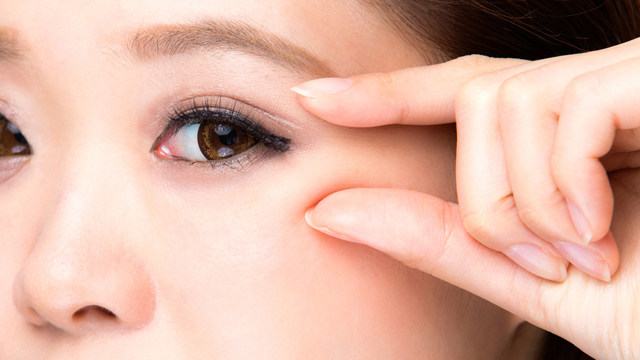
Anti-aging eye surgery is not a single fixed procedure. Depending on a patient's anatomy and goals, it may involve upper eyelid skin adjustment, lower eyelid fat repositioning, or a combination of surgical and non-surgical techniques designed to restore a more refreshed contour while preserving natural eye movement and expression.
Common Techniques Used
- Upper blepharoplasty removes or adjusts excess skin and, when needed, a small amount of underlying fat from the upper eyelid, opening up the eye and reducing a heavy or drooping appearance.
- Lower blepharoplasty addresses puffiness or hollowing beneath the eye by repositioning displaced fat or, in some cases, removing a conservative amount of loose skin.
- Fat repositioning rather than fat removal alone is often favored for lower eyelid concerns, since simply removing fat can create a hollow, over-corrected look as the face continues to age.
- Supportive skin treatments, such as light resurfacing or skin-tightening approaches, may be combined with surgery to address fine lines and improve skin quality around the treated area.
The specific combination of techniques depends entirely on individual anatomy — there is no single approach that suits every patient. The goal throughout is refinement rather than transformation: results that look like a natural extension of the patient's own features, not a visibly altered one. This distinction matters clinically as well as aesthetically, since overly aggressive skin removal or fat reduction can affect eyelid function and is more difficult to reverse than to prevent through conservative planning.
Who Is a Good Candidate
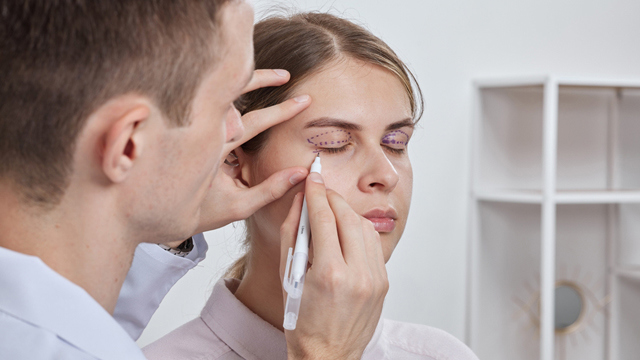
Not everyone benefits equally from this type of procedure. Good candidates generally share a few characteristics:
- Visible upper eyelid skin laxity or lower eyelid puffiness that affects appearance or, in some cases, peripheral vision
- Realistic expectations about what surgery can and cannot change
- General health suitable for outpatient surgery under local anesthesia
- No active eye infections or uncontrolled underlying health conditions
- Stable, well-managed chronic conditions such as thyroid disorders or dry eye disease, if present
Factors That May Require Additional Caution
Certain conditions do not automatically rule out surgery but do call for closer evaluation and, at times, medical clearance before proceeding. These include a history of dry eye syndrome, thyroid-related eye disease, previous eyelid surgery, blood-clotting disorders, or the use of blood-thinning medications. Patients who smoke are typically advised to stop well in advance of surgery, since smoking can measurably slow wound healing and increase the risk of complications.
Age itself is less important than skin quality and overall health. Some patients in their 40s already show enough laxity to benefit from surgery, while others delay the procedure into their 60s or beyond. A thorough in-person evaluation is the only reliable way to determine candidacy, since eyelid anatomy, skin quality, and facial proportions vary significantly from person to person, and no online questionnaire or photo review can substitute for a hands-on assessment.
The Procedure Process
At Yonsei Natural Beauty Aesthetic Surgical Clinic, every stage of treatment — consultation, procedure, and follow-up — is handled by the same physician, rather than being divided among multiple staff members. The process typically follows these steps:
- Initial consultation and evaluation. The physician examines skin condition, eyelid structure, and facial proportions in person, reviews the patient's medical history, and discusses the patient's goals and concerns in detail.
- Treatment planning. Based on the evaluation, a customized plan is developed, tailored to the individual's anatomy rather than a standardized template. This stage typically includes a clear explanation of which technique or combination of techniques is recommended, and why.
- Pre-operative preparation. Patients receive guidance on medications to pause, skincare to avoid, and lifestyle adjustments — such as avoiding alcohol or smoking — in the days leading up to surgery.
- The procedure itself. Most anti-aging eye surgeries are performed on a same-day basis under local anesthesia, with the procedure itself typically lasting somewhere between thirty minutes and just over an hour depending on the extent of correction. This allows patients to return home the same day rather than requiring hospital admission.
- Immediate post-procedure care. Patients receive instructions on wound care, swelling management, and activity restrictions before leaving the clinic, along with a clear schedule for follow-up visits.
Throughout each of these stages, the same physician remains directly involved — reviewing progress at each visit rather than handing the patient off to a different member of staff at each stage.
The Role of the Treating Physician
Dr. Eun-jung Lee, Director of Yonsei Natural Beauty Aesthetic Surgical Clinic, has practiced plastic surgery for more than 25 years. She holds a Master's degree and PhD in Medicine from Yonsei University, where she also serves as a Clinical Professor, along with a Master's degree in Law from Korea University. She is a full member of the Korean Society of Plastic and Reconstructive Surgeons, a lifetime member of the Korean Society for Aesthetic Plastic Surgery, and a full member of the International Society of Plastic Surgeons. She has also served as Academic Committee Chair of an eye surgery research group within the Korean Society of Plastic Surgeons and as Chairperson of the Seoul Medical Tourism Association — roles that reflect sustained involvement in both the clinical and academic sides of the specialty.
For patients evaluating eyelid surgery specifically, experience with eye-area anatomy is particularly relevant: the eyelids involve a dense concentration of small muscles, delicate skin, and structures tied directly to eye function, so precision and a conservative surgical philosophy matter more here than in many other areas of the face. Dr. Lee's academic focus on eye surgery, combined with her background in law, informs a practice that emphasizes clear communication, informed consent, and realistic, individually tailored goal-setting with each patient rather than a one-size-fits-all treatment plan.
What Sets the Clinic's Approach Apart
Rather than rotating patients through multiple surgeons or consulting staff, the clinic operates on a one-doctor model: the same physician manages consultation, surgery, and recovery monitoring for each patient from start to finish. There are no hand-offs between different doctors at different stages of treatment, and no substitution of the surgeon for a general consultant during the initial evaluation.
The clinic also intentionally limits the number of patients seen each day. This is not a capacity constraint but a deliberate operating principle intended to allow for longer, uninterrupted consultation and procedure times, closer post-operative attention, and a quieter, more private treatment environment. In practical terms, this means patients are less likely to feel rushed through a consultation and are more likely to have their post-operative questions addressed directly by the physician who performed their surgery, rather than by a rotating member of support staff.
Established in 1994 and operating from a dedicated space in Seodaemun-gu, Seoul, the clinic has maintained this same structural approach for more than three decades. This structure is designed to support continuity of care rather than convenience alone, and it is particularly relevant for procedures like eyelid surgery, where subtle adjustments during follow-up visits can meaningfully affect the final result.
Recovery Timeline and What to Expect

Recovery from anti-aging eye surgery unfolds gradually, and understanding the general timeline can help reduce anxiety during the healing process. It also helps set realistic expectations about when patients might feel comfortable returning to work, socializing, or resuming their usual routines.
- First 24 to 48 hours: Swelling tends to peak during this window rather than immediately after surgery. Mild discomfort, tightness, and light sensitivity are common. Cold compresses, keeping the head elevated even while sleeping, and avoiding bending forward can help manage early swelling.
- First few days: Swelling and mild bruising typically begin to plateau and then slowly improve. Some patients notice that bruising is more pronounced around the lower eyelid, which tends to bruise more visibly than the upper lid due to thinner surrounding tissue.
- First one to two weeks: Visible bruising typically fades substantially, and most patients feel comfortable resuming light daily activities and returning to non-strenuous work. Sutures, if used, are usually removed within this window, and any residual tightness around the incision lines gradually eases.
- Two to four weeks: Residual swelling continues to subside gradually, though some patients notice mild puffiness later in the day, particularly after long periods of screen use or poor sleep. Subtle changes in eyelid contour may still be settling during this period, and makeup can often be used to camouflage any remaining discoloration once incisions are fully closed.
- One to three months: Final results become more apparent as tissues fully settle and scars, if any, continue to fade and soften. Scar tissue along incision lines — typically placed along the natural eyelid crease or just below the lash line to minimize visibility — usually becomes difficult to detect by this stage.
- Beyond three months: Most of the visible healing process is complete, though very subtle refinement in tissue texture can continue for up to a year in some patients.
Recovery speed varies by individual and depends on factors such as skin type, the extent of correction performed, and how closely post-operative instructions are followed. Sun protection, avoiding rubbing the eyes, and attending all scheduled follow-up visits are simple steps that have a meaningful impact on healing quality and final outcome.
Safety Considerations
As with any surgical procedure, anti-aging eye surgery carries general risks such as temporary swelling, bruising, asymmetry during healing, dry or irritated eyes, or, less commonly, complications requiring further attention such as infection, delayed healing, or the need for a minor revision. Because the eyelids play a direct role in protecting and lubricating the eye, overly aggressive skin removal can, in rare cases, affect the ability to fully close the eyes — one of the reasons a conservative, individualized surgical plan is generally favored over a more aggressive standardized approach.
Choosing a physician with extensive experience in eyelid anatomy and maintaining open communication about symptoms during recovery are important steps in reducing these risks. Warning signs that warrant prompt contact with the treating physician include unusual or worsening pain, sudden vision changes, signs of infection such as increasing redness or discharge, or asymmetry that does not improve as swelling resolves.
Patients should disclose their full medical history — including allergies, current medications, and prior eye or eyelid procedures — and follow all pre- and post-operative guidance provided by their physician. Attending scheduled follow-up appointments, rather than only reaching out if a problem arises, allows the physician to catch and address minor issues early, before they become more significant.
Setting Realistic Expectations
Anti-aging eye surgery can meaningfully refresh the appearance of the eyes, but it does not stop the aging process or address concerns elsewhere on the face. Skin will continue to age naturally after surgery, and patients may eventually notice new changes over the years that follow, just as they would without having had the procedure. Surgery also does not correct concerns such as forehead lines, brow position, or mid-face volume loss, which may require separate treatments if they are a concern.
Patients who approach the procedure with realistic, individualized expectations — shaped through direct consultation with their physician rather than through comparison with heavily edited photos — tend to report the most satisfying outcomes. A useful frame is to think of the goal as looking like a well-rested version of oneself, rather than a fundamentally different appearance.
Final Thoughts
Anti-aging eye surgery is a well-established option for addressing visible signs of aging around the eyes, but the quality of the experience depends heavily on physician expertise, personalized planning, and attentive follow-up care. Recovery is rarely instantaneous, and understanding the realistic week-by-week progression — rather than expecting immediate final results — helps patients feel more prepared and less anxious throughout the healing process.
Patients considering this procedure should seek a thorough, in-person evaluation to understand whether it aligns with their goals and anatomy, and to gain a clear, honest picture of what recovery will involve. A physician who takes the time to explain both the expected benefits and the realistic limitations of surgery — rather than promising a specific outcome in advance — is generally better positioned to support a safe, well-informed decision.
More Articles
Continue reading clinical guides from Yonsei Natural Beauty.

Understanding Rhinoplasty and What It Involves
Learn what rhinoplasty involves, including how nose surgery can address nasal shape, proportions, and functional concerns, as well as what patients can expect before and after the procedure
Learn More

Facial Lifting Explained: Who Should Consider It
Learn how facial lifting works, who may benefit, what to expect, and key factors to consider before treatment. Discover if facial lifting is right for you.
Learn More
Anti-Aging Eye Surgery: What Recovery Really Looks Like
Learn what Anti-Aging Eye Surgery recovery really looks like, including healing stages, downtime, and results. Know what to expect and plan with confidence.
Learn More