Trusted Since 1994 in Sinchon, Seoul · 1:1 Personalized Eye Surgery, Facial Lifting & Anti-Aging by One Board-Certified Specialist
5.0 Verified Patient Satisfaction
en-US


Eye Plastic Surgery
Inner Corner Eye Surgery
The inner corner of the eye — the medial canthus — is partially or fully covered in many people by a skin fold known as the epicanthal fold, or Mongolian fold.
Schedule a ConsultationWhat Is Inner Corner Eye Surgery (Medial Epicanthoplasty)?
The inner corner of the eye — the medial canthus — is partially or fully covered in many people by a skin fold known as the epicanthal fold, or Mongolian fold. This fold is a common anatomical feature in East Asian facial structure. When prominent, it can make the eyes appear shorter in horizontal length, set the eyes further apart visually, or create a compressed, congested feeling around the inner eye area.
Medial epicanthoplasty is a surgical procedure that releases this fold, repositions the inner corner of the eye, and extends the visible horizontal eye width from the medial side. The result is eyes that appear wider, more open, and better proportioned within the face — without altering the eyelid fold or outer corner. At Yonsei Natural Beauty Aesthetic Surgical Clinic, every inner corner procedure is assessed, designed, and performed personally by Dr. Eun-jung Lee, with no hand-offs at any stage of care.
Who Is a Candidate for Inner Corner Eye Surgery?
Inner corner surgery is suitable for patients whose eye shape is primarily affected by the inner corner — either through a prominent epicanthal fold or a compressed medial canthus that limits visible eye width.
- Adults in their 20s–50s whose inner eye corners are covered by a prominent Mongolian fold
- Patients whose eyes appear short in horizontal length primarily from the inner corner side
- Individuals whose eyes look widely set or compressed due to the medial fold
- Those who have had double eyelid surgery but feel the result is incomplete because the inner corner remains covered
- Patients who want a wider, more open eye appearance without outer corner surgery
- Those seeking a natural result — inner corner release that looks proportional and undetectable
- International patients wanting a single-surgeon continuity model from consultation through recovery
Meet the Specialist: Dr. Eun-jung Lee
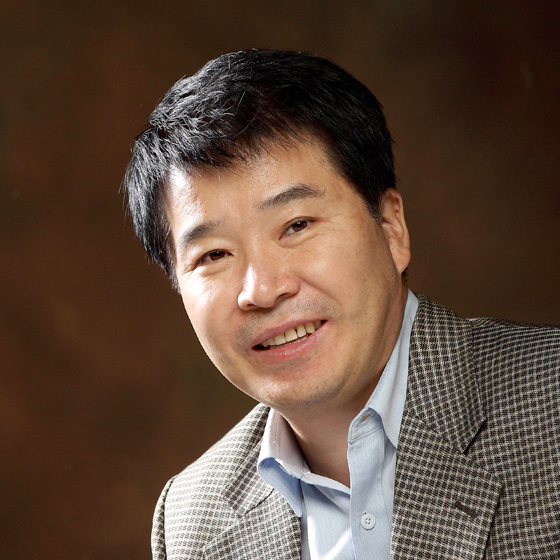
Dr. Eun-jung Lee
Plastic Surgery Specialist
Director | Clinical Professor, Yonsei University College of Medicine | Plastic Surgery Specialist, PhD in Medicine
Dr. Eun-jung Lee brings over 25 years of plastic surgery experience to periorbital aesthetics, with a clinical focus that spans the full range of eye surgery — including medial epicanthoplasty and combined inner and outer corner procedures. She completed both her Master's and PhD in Medicine at Yonsei University, holds a Master's in Law from Korea University, and serves as Clinical Professor at Yonsei University College of Medicine.
As former Academic Committee Chair of the Eye Surgery Research Group under the Korean Society of Plastic Surgeons and former Chairperson of the Seoul Medical Tourism Association, Dr. Lee brings both clinical depth and institutional leadership to her practice. She personally handles every stage of patient care — consultation, surgery, and all post-operative follow-up — with no delegation to other surgeons or consulting staff.
Dr. Lee holds full membership in the Korean Society of Plastic and Reconstructive Surgeons, Lifetime Membership in the Korean Society for Aesthetic Plastic Surgery, and full membership in the International Society of Plastic Surgeons.
Treatment Areas and Expected Improvements
- Medial (inner) eye corner: Release of the epicanthal fold exposes the inner corner of the eye, extending visible horizontal eye width from the medial side and reducing the compressed or congested appearance around the inner eye
- Horizontal eye proportion: With the inner corner repositioned, the eye appears longer and better balanced within the face — without changes to the outer corner or upper eyelid fold
- Inter-eye spacing: Releasing a prominent Mongolian fold can reduce the perception of wide-set eyes by making the inner corners more visible and the overall eye shape more cohesive
- Combined periorbital balance (where applicable): When performed alongside double eyelid surgery or lateral canthoplasty, inner corner surgery contributes to a comprehensive improvement in overall eye proportion — opening the eye from both the fold and the corner simultaneously
Results vary by individual anatomy, fold prominence, and healing response. The goal is a natural outcome proportional to the patient's own facial structure. No specific result is guaranteed, and realistic expectations are discussed directly with Dr. Lee during consultation.
The Inner Corner Surgery Process

1. Consultation and Assessment: Dr. Lee evaluates the prominence and structure of the epicanthal fold, horizontal eye length, inter-eye spacing, and overall facial proportions hands-on. She determines whether medial epicanthoplasty alone or a combined approach is most appropriate and explains the recommended plan in full.
2. Surgical Planning: Each incision design is customized to the individual patient's fold anatomy and desired outcome. Pre-operative preparation follows standard eye surgery protocol — fasting, medication adjustments, and full medical history disclosure as required.
3. The Procedure: Inner corner surgery is performed on a same-day basis under local or general sedation. The epicanthal fold is released through a carefully designed incision at the medial canthus, repositioning the inner corner to extend the visible eye width. No overnight hospitalization is required.
4. Immediate Aftercare: Post-operative swelling and mild bruising around the inner corner area are expected and resolve progressively. The clinic provides post-operative care instructions and monitoring to support healing.
5. Recovery: Patients should avoid rubbing the eye area, excessive tearing, and strenuous activity during the initial healing period. Makeup and face washing should be deferred until the incision has sufficiently healed. Temporary redness or sensitivity around the inner corner is normal and resolves with time.
6. Follow-Up: All post-operative monitoring is conducted personally by Dr. Lee. The refined result — including the full extent of inner corner opening and scar fading — becomes visible as healing progresses over the following weeks.
Results, Safety, and Longevity
Medial epicanthoplasty produces a structural change to the inner corner of the eye — releasing the fold and repositioning the canthus in a way that is intended to be stable long-term. The incision design is planned to minimize visible scarring, with the scar line placed within or along the natural contour of the inner corner area where it fades most effectively.
As with all surgical procedures, risks include temporary swelling, bruising, discomfort, and a small risk of infection. Scar visibility varies by individual skin type and healing response. Serious complications are rare. All risks, healing expectations, and realistic outcome parameters are discussed transparently by Dr. Lee before any procedure is scheduled.
Why Choose Yonsei Natural Beauty Aesthetic Surgical Clinic?

Yonsei Natural Beauty Aesthetic Surgical Clinic has operated on a one-doctor model since 1994 — Dr. Eun-jung Lee is the same physician who assesses your inner corner anatomy, performs the procedure, and monitors your recovery. With over 25 years of eye surgery experience, an academic appointment as Clinical Professor at Yonsei University College of Medicine, and former leadership of the Eye Surgery Research Group under the Korean Society of Plastic Surgeons, Dr. Lee brings both research-level knowledge and hands-on surgical depth to every inner corner procedure.
The clinic limits its daily patient volume by design, enabling longer consultations, more precise surgical planning, and a private, unhurried environment. Same-day surgery keeps the process straightforward with no overnight stay required.
- 30+ years of continuous single-surgeon practice in Seodaemun-gu, Seoul
- Individualized incision design — fold release and inner corner repositioning planned specifically for each patient's anatomy
- Lifetime member, Korean Society for Aesthetic Plastic Surgery; full member, International Society of Plastic Surgeons
- Expanding multilingual support for international patients traveling from the United States and beyond
Patient Experiences
Inner Corner Surgery Patient, 20s
This patient had a prominent Mongolian fold that made her eyes appear shorter and more set apart than she wanted. After consultation with Dr. Lee, a medial epicanthoplasty was performed on a same-day basis. She described the recovery as manageable, with the most visible swelling resolving within the first two weeks. At follow-up, she noted her eyes looked noticeably wider and more open at the inner corner — with a natural result that didn't look operated.
Combined Inner and Double Eyelid Patient, 30s
A patient in her early 30s had double eyelid surgery previously but felt her eyes still appeared compressed and short due to a remaining prominent fold. Dr. Lee recommended medial epicanthoplasty to complement the existing fold result. Following recovery, the patient reported a clear improvement in overall eye proportion — wider, more balanced, and more in harmony with her facial features.
Take the First Step Toward More Open, Balanced Eyes
If a prominent inner corner fold is limiting how open, wide, or balanced your eyes appear — and you want a surgical correction designed around your specific anatomy and managed by one specialist throughout — Yonsei Natural Beauty Aesthetic Surgical Clinic is ready to help.
Dr. Eun-jung Lee will personally assess your medial canthus, recommend the most appropriate approach, and give you a clear, honest picture of what inner corner surgery can achieve for you.
[Book Your Inner Corner Surgery Consultation with Dr. Lee]
Contact the clinic directly to schedule your appointment or request information about international patient coordination — multilingual support available for patients traveling to Seoul from abroad.
Other Services
Explore additional procedures tailored to natural facial balance.

Neck Wrinkle Correction
Surgical neck wrinkle correction addresses these structural changes directly.
Learn More

Preauricular Facelift Surgery
Preauricular facelift surgery addresses facial aging at the structural level. The incision is placed within the preauricular zone — in front of and around the ear — where it heals in a naturally concealed location.
Learn More

Under-Eye Fat Repositioning
Under-eye fat repositioning is a surgical procedure that addresses this structural cause directly.
Learn More