Trusted Since 1994 in Sinchon, Seoul · 1:1 Personalized Eye Surgery, Facial Lifting & Anti-Aging by One Board-Certified Specialist
5.0 Verified Patient Satisfaction
en-US


Petite Cosmetic Procedures
Micro Autologous Fat Grafting
Micro autologous fat grafting restores this lost volume using the patient's own fat — harvested from a donor site such as the abdomen, inner thigh, or flanks through a small-cannula technique.
Schedule a ConsultationWhat Is Micro Autologous Fat Grafting?
Facial aging is not only a story of descent — it is equally a story of volume loss. The fat compartments that give the young face its fullness, definition, and dimensional quality gradually diminish with age. The cheeks flatten, the temples hollow, the tear trough deepens, and the overall facial silhouette shifts from a volumetrically full, convex profile toward a flatter, more angular one. This volume loss is structural — it cannot be addressed through lifting alone and requires volumetric restoration to achieve a naturally complete rejuvenation result.
Micro autologous fat grafting restores this lost volume using the patient's own fat — harvested from a donor site such as the abdomen, inner thigh, or flanks through a small-cannula technique, carefully processed to isolate viable fat cells, and precisely reinjected into facial volume deficit zones in small, strategically placed aliquots. Because the transferred material is the patient's own tissue, it integrates naturally with surrounding structures and — where the grafted fat establishes a blood supply — provides a lasting volumetric correction without foreign materials.
The micro technique — using finer cannulas and smaller injection aliquots than conventional fat grafting — improves the precision of placement and the evenness of the result, particularly in delicate zones such as the tear trough and periorbital area. At Yonsei Natural Beauty Aesthetic Surgical Clinic, every fat grafting procedure is assessed, planned, and performed personally by Dr. Eun-jung Lee, with no delegation at any stage.
Who Is a Candidate for Micro Autologous Fat Grafting?
- Adults in their 30s–70s with visible facial volume loss — flattened cheeks, hollow temples, deepened tear troughs, or a loss of the full, dimensional quality of a younger face
- Patients who want natural, autologous volume restoration — using their own tissue rather than synthetic filler materials
- Individuals who have had unsatisfactory or temporary results with dermal fillers and prefer a longer-lasting structural correction
- Those with tear trough or periorbital hollowing requiring delicate, precise volume restoration in a zone where filler carries higher risk
- Patients with facial asymmetry from volume imbalance — where one side of the face has lost more volume than the other
- Individuals undergoing combined procedures — fat grafting alongside facelift, blepharoplasty, or other facial surgery to address both descent and volume loss in a single session
- Those with post-surgical volume deficits — hollowing that has developed following prior procedures
- International patients seeking a single-surgeon model where one physician harvests, processes, and injects the fat, and monitors the result personally
Meet the Specialist: Dr. Eun-jung Lee
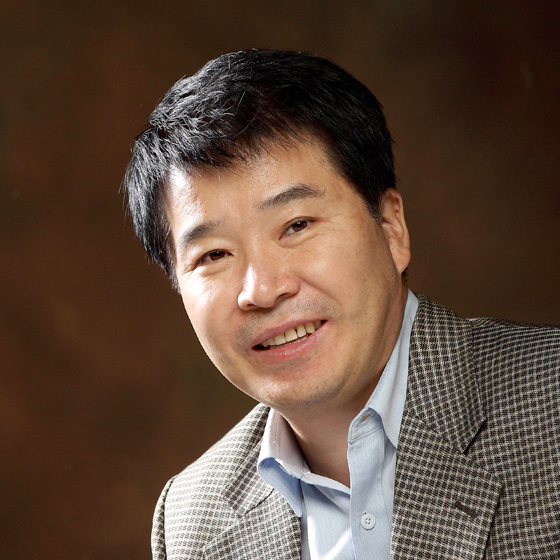
Dr. Eun-jung Lee
Plastic Surgery Specialist
Director | Clinical Professor, Yonsei University College of Medicine | Plastic Surgery Specialist, PhD in Medicine
Dr. Eun-jung Lee brings over 25 years of plastic surgery experience to facial rejuvenation — including both structural lifting and volumetric restoration through fat grafting. She completed both her Master's and PhD in Medicine at Yonsei University, holds a Master's in Law from Korea University, and serves as Clinical Professor at Yonsei University College of Medicine.
As former Academic Committee Chair of the Eye Surgery Research Group under the Korean Society of Plastic Surgeons and former Chairperson of the Seoul Medical Tourism Association, Dr. Lee brings both institutional depth and hands-on surgical experience to micro fat grafting — a procedure that requires anatomical precision in both the harvest and the injection phases, and where the quality of fat processing and placement technique directly determines how much of the transferred volume survives and integrates. Every stage — harvest, processing, and injection — is performed directly by Dr. Lee.
She holds full membership in the Korean Society of Plastic and Reconstructive Surgeons, Lifetime Membership in the Korean Society for Aesthetic Plastic Surgery, and full membership in the International Society of Plastic Surgeons.
Treatment Areas and Expected Improvements
- Cheeks and midface: Volume restoration in the cheek zone rebuilds the full, lifted midface contour of a younger face — restoring the three-dimensional quality that distinguishes a volumetrically replete face from one that has lost its youthful fullness. Midface volume restoration also softens nasolabial folds from their structural foundation.
- Tear trough and periorbital area: Micro fat grafting in the tear trough hollow provides a more precise and natural correction than conventional fat grafting in this delicate zone — reducing the shadow-producing depth beneath the eye with a soft, natural tissue that integrates without the lumpiness risk associated with larger-volume injection.
- Temples: Temple hollowing — one of the earliest and most telling signs of facial volume loss — is addressed through precise fat placement that restores the smooth, gently rounded temple contour of youth and reduces the skeletonized appearance that significant hollowing creates.
- Lips: Fat grafting to the lips restores natural volume and definition — producing a softer, more natural result than filler in patients who prefer an autologous approach to lip restoration.
- Jawline and chin: Small-volume fat grafting along the jawline and chin can improve definition and contour — complementing lifting procedures or providing standalone volumetric refinement.
- Overall facial silhouette: The cumulative effect of well-planned facial fat grafting is a face that appears fuller, more three-dimensional, and more naturally youthful — with volume distributed proportionately rather than concentrated in isolated zones.
Results vary by individual anatomy, the degree of volume loss, the viability of transferred fat, and the patient's own biological healing response. A portion of transferred fat is reabsorbed during the healing process — the surviving fat that establishes a blood supply integrates permanently. No specific outcome volume or longevity is guaranteed, and realistic expectations are established during direct consultation with Dr. Lee.
The Micro Fat Grafting Process
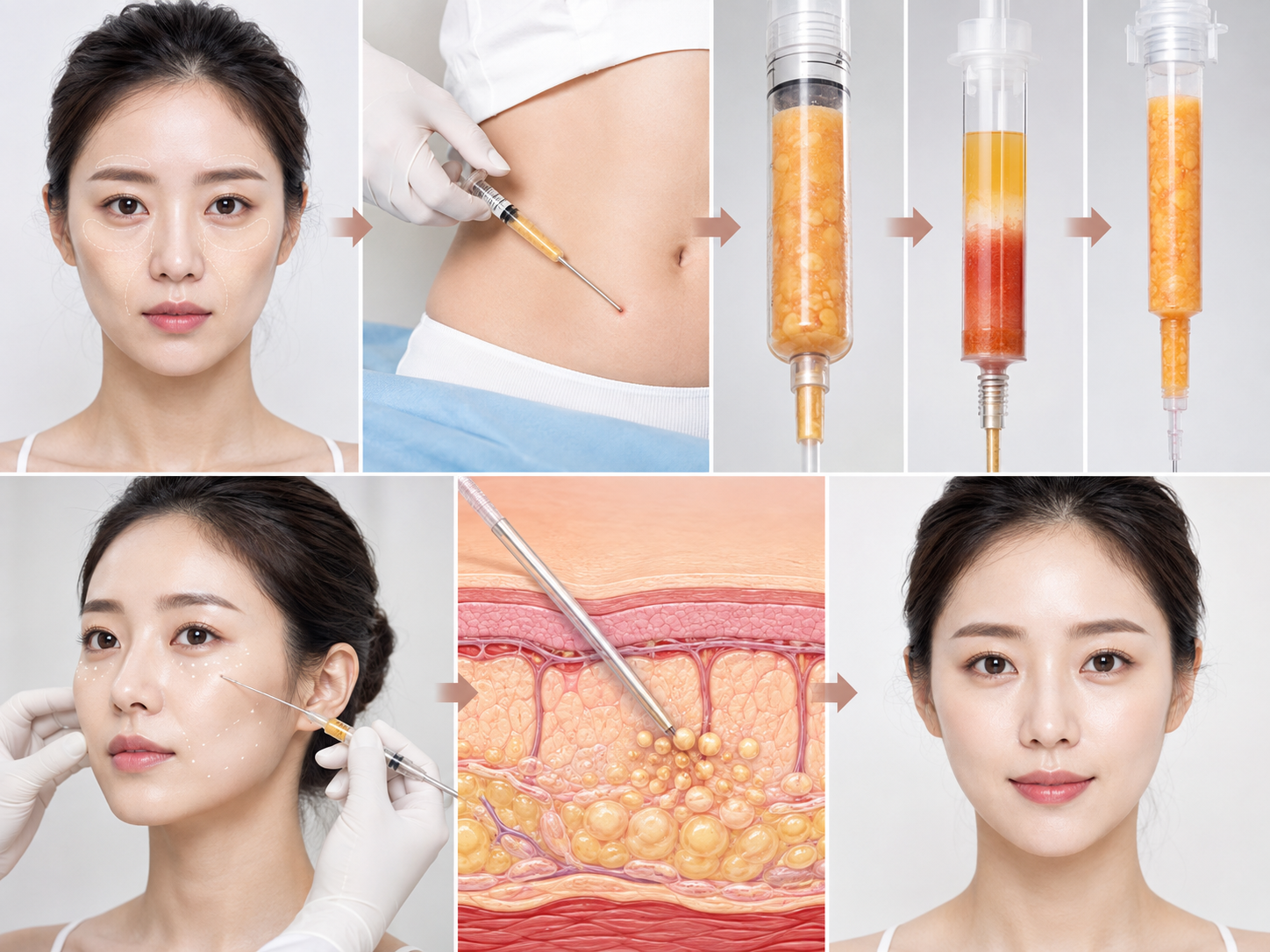
1. Consultation and Volume Assessment: Dr. Lee evaluates facial volume distribution, hollowing patterns, and overall facial proportions hands-on — identifying the zones where volume loss is contributing most significantly to the patient's concerns. She determines the appropriate donor site, volume to be harvested, and injection plan for each recipient zone, explaining the full procedure before any decision is made.
2. Surgical Planning: Each plan is fully customized 1:1 to the patient's specific facial volume deficit pattern. Donor site selection, fat processing approach, and recipient zone injection plan are determined based on individual assessment. Pre-operative preparation follows standard surgical protocol including fasting, medication adjustments, and complete medical history disclosure.
3. The Procedure — Harvest: Fat is harvested from the planned donor site — most commonly the abdomen, inner thigh, or flanks — through a small-cannula technique under local anesthesia with or without sedation. The harvest incisions are minimal — typically a few millimeters in length — and placed in inconspicuous locations.
4. The Procedure — Processing and Injection: The harvested fat is carefully processed to remove excess fluid, oil, and non-viable material — isolating the purified fat cells for injection. Using micro-cannulas, Dr. Lee injects the processed fat in small, precise aliquots into the planned recipient zones — building volume gradually and evenly through multiple passes rather than depositing large boluses that risk lumpiness or uneven results.
5. Immediate Aftercare: Post-operative swelling at both the donor and recipient sites is expected and resolves progressively. The face will appear more swollen than the final result immediately after the procedure — the true volumetric outcome becomes visible as swelling resolves over the following weeks. Specific aftercare instructions are provided for both the harvest and injection sites.
6. Recovery and Fat Survival Phase: The critical period for fat survival occurs in the weeks following grafting — as the transferred fat cells establish a blood supply in their new location. Patients should avoid direct pressure on treated facial areas, maintain appropriate activity levels, and follow all post-operative guidance to support fat survival. Individual fat retention varies — typically a meaningful portion of the transferred volume integrates permanently, while some is reabsorbed.
7. Follow-Up: All post-operative monitoring is conducted personally by Dr. Lee. The stabilized result — reflecting the surviving integrated fat — becomes visible at approximately 3 months following the procedure, as both swelling and reabsorption have resolved. Follow-up visits assess volume symmetry and the developing result, with further treatment planned if indicated.
Results, Safety, and Longevity
Micro autologous fat grafting uses the patient's own tissue — eliminating the risks associated with foreign materials and providing a natural feel and appearance that synthetic fillers cannot replicate. Fat that successfully integrates — establishing a blood supply in the recipient zone — is living tissue that behaves as part of the face, changing naturally with weight fluctuations and aging rather than remaining as a static foreign deposit.
The longevity of fat grafting results is one of its primary advantages over synthetic fillers. Fat that survives the initial reabsorption phase is generally considered permanent — though continued facial aging and weight changes will influence how the result appears over time. The proportion of transferred fat that survives varies by individual biological factors, technique quality, and the vascularity of the recipient zone.
Risks include temporary swelling and bruising at both the donor and recipient sites, mild discomfort at the harvest site, and the possibility of uneven fat survival — where some areas retain more volume than others. Overcorrection at the time of injection accounts for anticipated reabsorption, which requires experienced judgment to avoid either undercorrection or visible lumpiness. Serious complications are rare. All risks, realistic volume retention expectations, and procedure-specific considerations are discussed transparently by Dr. Lee before any procedure is scheduled.
Why Choose Yonsei Natural Beauty Aesthetic Surgical Clinic for Micro Fat Grafting?
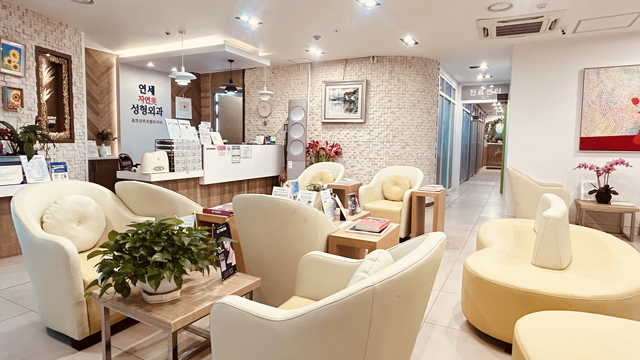
Yonsei Natural Beauty Aesthetic Surgical Clinic has operated on a one-doctor model since 1994 — Dr. Eun-jung Lee personally assesses your facial volume needs, harvests the fat, processes it, injects every aliquot, and monitors your result at every follow-up visit. For micro fat grafting, where the quality of fat processing, the precision of injection technique, and the accuracy of the initial volume assessment all directly determine how much fat survives and how natural the result appears, this single-surgeon accountability is clinically significant.
With over 25 years of plastic surgery experience spanning both surgical facial rejuvenation and volumetric restoration, an academic appointment as Clinical Professor at Yonsei University College of Medicine, and former leadership of the Eye Surgery Research Group under the Korean Society of Plastic Surgeons, Dr. Lee brings both the anatomical depth and the aesthetic judgment that precise micro fat grafting requires.
- 30+ years of continuous single-surgeon practice in Seodaemun-gu, Seoul
- Autologous tissue only — the patient's own fat, no foreign materials, natural feel and integration
- Micro-injection technique — small precise aliquots for even, natural-looking volume distribution particularly in delicate facial zones
- Expanding multilingual support for international patients traveling from the United States and beyond
Patient Experiences
Micro Fat Grafting Patient, 40s
This patient had noticed progressive cheek flattening and temple hollowing through her late 30s — a volume loss that was making her face look gaunt and tired despite a healthy lifestyle. After consultation with Dr. Lee, micro fat grafting was performed to the cheeks and temples using fat harvested from the abdomen. At her 3-month follow-up, she described the face as looking significantly fuller and more dimensional — a natural result that she felt looked like a younger version of herself.
Combined Fat Grafting and Facelift Patient, 50s
A patient in her early 50s presented with both lower face descent and significant midface volume loss — a combination where lifting alone would have restored contour without addressing the volume deficit. Dr. Lee recommended a combined facelift and micro fat grafting in a single procedure. Following recovery, the patient described the result as comprehensively rejuvenated — the lower face lifted, the midface volumetrically restored, and the overall appearance natural rather than operated.
Ready to Restore Facial Volume With Your Own Tissue?
If facial volume loss — in the cheeks, temples, tear trough, or elsewhere — is contributing to a gaunt, tired, or aged appearance, and you prefer a natural, autologous correction over synthetic fillers, micro fat grafting at Yonsei Natural Beauty Aesthetic Surgical Clinic offers a precisely performed, personally managed solution using your own tissue.
Dr. Eun-jung Lee will assess your facial volume distribution directly, plan the harvest and injection approach specific to your anatomy, and perform every stage of the procedure personally — with follow-up monitoring to assess the integrated result.
[Book Your Micro Fat Grafting Consultation with Dr. Lee]
Contact the clinic directly to schedule your appointment or request information about international patient coordination — multilingual support available for patients traveling to Seoul from abroad.
Other Services
Explore additional procedures tailored to natural facial balance.
Neck Wrinkle Correction
Surgical neck wrinkle correction addresses these structural changes directly.
Learn More

Preauricular Facelift Surgery
Preauricular facelift surgery addresses facial aging at the structural level. The incision is placed within the preauricular zone — in front of and around the ear — where it heals in a naturally concealed location.
Learn More
Under-Eye Fat Repositioning
Under-eye fat repositioning is a surgical procedure that addresses this structural cause directly.
Learn More