Trusted Since 1994 in Sinchon, Seoul · 1:1 Personalized Eye Surgery, Facial Lifting & Anti-Aging by One Board-Certified Specialist
5.0 Verified Patient Satisfaction
en-US


Petite Cosmetic Procedures
TAN Chemical Peel
The TAN chemical peel is a physician-grade peeling protocol that addresses pigmentation irregularities, uneven texture, dull skin tone, and early surface-level signs of aging through a calibrated, medically supervised approach.
Schedule a ConsultationWhat Is the TAN Chemical Peel?
The surface of the skin undergoes continuous renewal — but as we age, this natural turnover slows. Dead skin cells accumulate, pigmentation becomes uneven, sun damage accumulates, and the skin surface loses the clarity, luminosity, and texture of younger skin. Topical skincare alone often cannot adequately address these changes once they have progressed beyond a surface level.
Chemical peeling is a controlled dermatological procedure in which a carefully selected chemical agent is applied to the skin surface to induce a precise degree of exfoliation — removing damaged outer layers and stimulating the regenerative processes beneath. The TAN chemical peel is a physician-grade peeling protocol that addresses pigmentation irregularities, uneven texture, dull skin tone, and early surface-level signs of aging through a calibrated, medically supervised approach.
Unlike over-the-counter exfoliants, the TAN chemical peel is applied under physician supervision — with the depth and exposure time adjusted to each patient's skin type, condition, and specific concerns. At Yonsei Natural Beauty Aesthetic Surgical Clinic, every chemical peel treatment is assessed, planned, and supervised personally by Dr. Eun-jung Lee, with no delegation to non-physician staff at any stage.
Who Is a Candidate for the TAN Chemical Peel?
- Adults in their 20s–60s with uneven skin tone, dull or congested skin, or a loss of the clarity and luminosity associated with younger, more actively renewing skin
- Patients with hyperpigmentation — sun spots, age spots, or post-inflammatory pigmentation — that has not responded adequately to topical treatment
- Individuals with uneven skin texture — roughness, enlarged pores, or a lack of the smooth, even surface that characterizes well-maintained skin
- Those with sun-damaged skin — cumulative photodamage that has altered skin color, texture, and tone over years of exposure
- Patients with fine surface lines in the early stages of formation that can be addressed through improved skin renewal rather than volumetric correction
- Individuals seeking a skin quality improvement as part of a broader anti-aging or slow-aging approach — improving the skin itself rather than only addressing structural changes
- Those who want a physician-supervised treatment rather than a spa or non-medical setting — with appropriate pre-treatment assessment and post-treatment monitoring
- International patients seeking physician-led skin care as part of their visit to Seoul, within a single-surgeon clinic model where the same specialist oversees all aspects of their treatment
Meet the Specialist: Dr. Eun-jung Lee
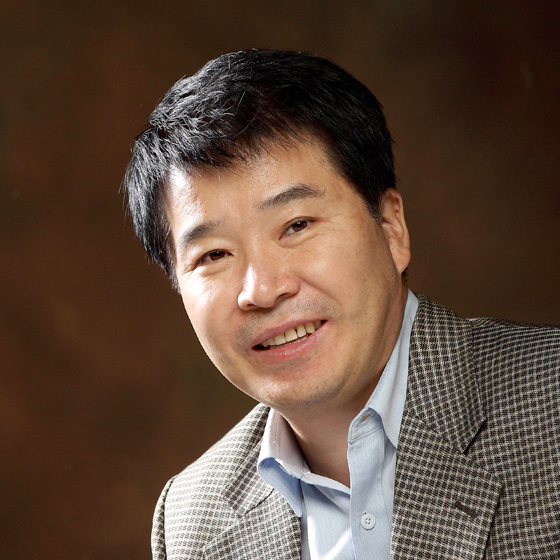
Dr. Eun-jung Lee
Plastic Surgery Specialist
Director | Clinical Professor, Yonsei University College of Medicine | Plastic Surgery Specialist, PhD in Medicine
Dr. Eun-jung Lee brings over 25 years of plastic surgery and anti-aging experience to skin health — with a clinical philosophy that encompasses both surgical correction and the non-surgical maintenance of long-term skin quality. She completed both her Master's and PhD in Medicine at Yonsei University, holds a Master's in Law from Korea University, and serves as Clinical Professor at Yonsei University College of Medicine.
As former Academic Committee Chair of the Eye Surgery Research Group under the Korean Society of Plastic Surgeons and former Chairperson of the Seoul Medical Tourism Association, Dr. Lee brings a medical foundation to skin treatments that goes beyond cosmetic application — understanding how skin renewal processes interact with aging, surgical recovery, and long-term skin health. Every treatment at this clinic — including chemical peels — is supervised directly by Dr. Lee, not delegated to non-physician staff.
She holds full membership in the Korean Society of Plastic and Reconstructive Surgeons, Lifetime Membership in the Korean Society for Aesthetic Plastic Surgery, and full membership in the International Society of Plastic Surgeons.
Treatment Areas and Expected Improvements
- Overall facial skin tone: Controlled exfoliation removes the accumulated layer of pigmented, sun-damaged, and unevenly colored surface cells — revealing a cleaner, more even skin tone beneath and stimulating the production of fresher, more uniformly pigmented skin during the renewal process.
- Skin texture and surface quality: Chemical peeling stimulates skin cell turnover and collagen production in the dermis — improving surface smoothness, reducing roughness, and refining pore appearance over the weeks following treatment as new skin matures.
- Hyperpigmentation and sun damage: The TAN peel targets the superficial to mid-dermal zones where pigmentation irregularities reside — reducing the concentration of melanin deposits that create uneven color, age spots, and the general dullness associated with sun-damaged skin.
- Fine surface lines: Improved skin renewal and collagen stimulation following chemical peeling can soften fine surface lines — particularly in areas of thin skin such as the periorbital zone and upper lip — though deeper structural lines require additional approaches.
- Skin luminosity and clarity: Beyond specific concerns, the overall effect of well-planned chemical peeling is skin that appears brighter, clearer, and more vital — a quality improvement that extends across the full treated zone rather than targeting isolated spots.
- Neck and décolletage (where treated): Chemical peeling is not limited to the face — the neck and décolletage are common areas of sun damage and skin quality decline that can be addressed with an appropriately calibrated peel.
Results vary by individual skin type, the degree of pigmentation or texture irregularity present, sun exposure history, and skin care habits. No specific outcome is guaranteed, and realistic expectations are established during direct consultation with Dr. Lee.
The TAN Chemical Peel Process
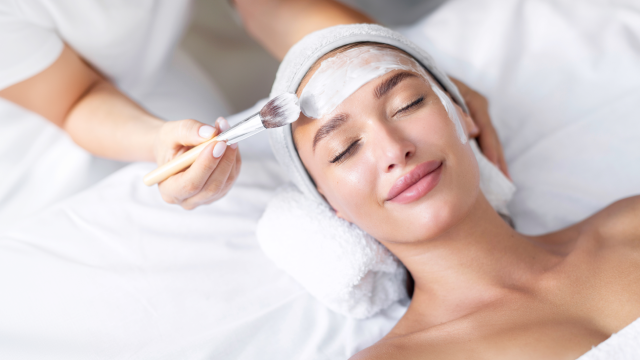
1. Consultation and Skin Assessment
Dr. Lee evaluates the skin hands-on — assessing skin type, tone, pigmentation pattern, texture concerns, sensitivity, and overall skin condition. She determines the appropriate peel depth, pre-treatment preparation requirements, and post-treatment care plan, explaining the full protocol before any treatment begins.
2. Pre-Treatment Preparation
Depending on the peel depth and the patient's skin type, a pre-treatment preparation period may be recommended — typically involving specific skincare products to condition the skin and optimize the peeling response. Sun protection in the weeks leading up to treatment is essential.
3. The Procedure
The TAN chemical peel is performed on a same-day basis in the clinic under physician supervision. The peeling agent is applied to the cleansed skin in a controlled manner, with exposure time calibrated to the planned peel depth. The patient's skin response is monitored throughout the procedure. The treatment is completed within a clinic visit — no sedation or hospitalization required.
4. Immediate Aftercare
Following the peel, the skin will appear red and may feel warm or tight — a normal response to the controlled chemical exfoliation. Specific aftercare instructions are provided covering wound care, moisturization, strict sun avoidance, and activities to avoid during the peeling and renewal phase. Peeling of the outer skin layer occurs over the days following treatment as the renewal process proceeds.
5. Recovery and Peeling Phase
The visible peeling phase — during which the treated outer skin layers shed — varies in duration and intensity based on peel depth. Superficial peels involve minimal visible peeling and short downtime; medium-depth peels involve more noticeable peeling over several days. Patients should avoid picking or pulling at peeling skin and maintain strict sun protection throughout the recovery period.
6. Follow-Up
All post-treatment monitoring is conducted personally by Dr. Lee. A follow-up visit assesses skin healing, the developing renewal result, and whether additional treatment sessions are indicated. For pigmentation and texture concerns, a series of peels spaced at appropriate intervals may be recommended for cumulative improvement.
Results, Safety, and Longevity
The TAN chemical peel produces skin improvement through controlled exfoliation and the subsequent renewal process — results that develop progressively over the weeks following treatment as new skin matures. A single treatment produces visible improvement in tone and texture; for more significant pigmentation or texture concerns, a series of treatments provides cumulative benefit.
The longevity of chemical peel results depends significantly on post-treatment sun protection and skincare maintenance. Sun exposure is the primary driver of the pigmentation and skin quality decline that chemical peeling addresses — ongoing protection is essential to maintain the improvement achieved. Dr. Lee discusses realistic maintenance expectations during consultation.
Risks include temporary redness, tightness, and peeling during the recovery phase — normal components of the skin renewal process. In rare cases, particularly with deeper peels or in patients with certain skin types, post-inflammatory hyperpigmentation or prolonged redness can occur. These risks are minimized through appropriate patient selection, pre-treatment preparation, and calibrated peel depth. All risks and post-treatment care requirements are discussed transparently by Dr. Lee before any treatment is administered.
Why Choose Yonsei Natural Beauty Aesthetic Surgical Clinic for the TAN Chemical Peel?

At Yonsei Natural Beauty Aesthetic Surgical Clinic, chemical peel treatments are not delegated to aestheticians or non-physician staff — every assessment, treatment decision, and follow-up is managed directly by Dr. Eun-jung Lee, a board-certified plastic surgery specialist with over 25 years of experience in skin health and anti-aging care. For a procedure where the appropriate depth, agent selection, and post-treatment monitoring all depend on medical judgment, physician supervision is not a luxury — it is a standard of care.
The clinic's one-doctor model — unchanged since 1994 — means that the physician who assesses your skin condition, selects the peel protocol, supervises the treatment, and monitors your recovery is the same person throughout. This continuity of medical oversight is particularly relevant for skin treatments where individual variation in response requires ongoing assessment rather than a standardized protocol applied to every patient.
- 30+ years of continuous single-surgeon practice in Seodaemun-gu, Seoul
- Physician-supervised throughout — peel depth, agent, and exposure time calibrated by Dr. Lee based on individual skin assessment
- Lifetime member, Korean Society for Aesthetic Plastic Surgery; full member, International Society of Plastic Surgeons
- Expanding multilingual support for international patients traveling from the United States and beyond
Patient Experiences
TAN Chemical Peel Patient, 30s
This patient had developed uneven skin tone and persistent pigmentation from sun exposure over several years — a concern that topical products had not adequately resolved. After skin assessment by Dr. Lee, a TAN chemical peel was administered at an appropriate depth for her skin type. Following the peeling phase, she described her skin tone as noticeably more even and her complexion as clearer and brighter than it had been for years.
Anti-Aging Chemical Peel Patient, 50s
A patient in her early 50s wanted to improve the overall quality and luminosity of her skin as part of her broader anti-aging care. Dr. Lee recommended a TAN peel calibrated to her skin condition and tolerance. Following treatment and the recovery period, the patient described her skin as looking significantly fresher and more vital — with improved texture and a reduction in the dull, congested appearance she had noticed developing over the previous few years.
Ready to Renew Your Skin With a Physician-Grade Chemical Peel?
If uneven skin tone, pigmentation, dull texture, or early signs of skin aging are affecting how your skin looks and feels — and you want a medically supervised resurfacing treatment calibrated specifically to your skin — the TAN chemical peel at Yonsei Natural Beauty Aesthetic Surgical Clinic offers a physician-led approach with the same standard of individual assessment and oversight applied to every other procedure at the clinic.
Dr. Eun-jung Lee will assess your skin condition directly, recommend the appropriate peel protocol, and monitor your treatment and recovery personally.
[Book Your TAN Chemical Peel Consultation with Dr. Lee]
Contact the clinic directly to schedule your appointment or request information about international patient coordination — multilingual support available for patients traveling to Seoul from abroad.
Other Services
Explore additional procedures tailored to natural facial balance.

Neck Wrinkle Correction
Surgical neck wrinkle correction addresses these structural changes directly.
Learn More
Preauricular Facelift Surgery
Preauricular facelift surgery addresses facial aging at the structural level. The incision is placed within the preauricular zone — in front of and around the ear — where it heals in a naturally concealed location.
Learn More
Under-Eye Fat Repositioning
Under-eye fat repositioning is a surgical procedure that addresses this structural cause directly.
Learn More