Trusted Since 1994 in Sinchon, Seoul · 1:1 Personalized Eye Surgery, Facial Lifting & Anti-Aging by One Board-Certified Specialist
5.0 Verified Patient Satisfaction
en-US


Specialty Overview
Rhinoplasty
Rhinoplasty refers to surgical procedures that reshape the nose to improve its proportion, symmetry, and overall harmony with the rest of the face.
Schedule a ConsultationWhat Does Rhinoplasty Mean in Plastic Surgery?

Rhinoplasty refers to surgical procedures that reshape the nose to improve its proportion, symmetry, and overall harmony with the rest of the face. Because the nose sits at the center of the face, even small structural differences — a tip that's too wide, a bridge that's too short, a dorsal hump, or a bend to one side — can noticeably affect how balanced or refined the face appears as a whole.
At Yonsei Natural Beauty Aesthetic Surgical Clinic, rhinoplasty is not approached as a single fixed technique applied the same way to every patient. Instead, the clinic uses a type-based approach, first identifying which category of nasal concern a patient has — bulbous, short, hooked, or deviated — and then selecting the specific surgical method suited to that structure. This may involve trimming or repositioning nasal cartilage, grafting additional cartilage (often using the patient's own tissue), performing osteotomy to correct the nasal bone, or using implant material to build height or structure, depending on what the individual nose actually requires. This distinguishes the clinic's approach from a one-size-fits-all method, since the surgical plan is built around each patient's specific anatomy rather than a single standard technique.
Advanced Rhinoplasty in Plastic Surgery – Nose Type Correction for Expert, Patient-Focused Facial Harmony
Patients considering rhinoplasty often carry concerns that are easy to overlook individually but add up to a real impact on how the face reads as a whole — a nasal tip that looks blunt or overly wide in photos, a nose that appears too short with visible nostrils from the front, a dorsal hump that gives a harsher profile than the patient feels reflects them, or a nose that visibly leans to one side and may even come with breathing difficulty. For some patients, these concerns are purely cosmetic; for others — particularly those with a deviated nose — there may also be functional symptoms such as chronic nasal congestion or disrupted sleep that make the decision to seek correction more urgent.
Patients don't need to settle for a generic result or wonder whether their specific nasal structure has even been properly considered. At Yonsei Natural Beauty Aesthetic Surgical Clinic, every case is assessed directly by the clinic's specialist, who identifies which nose type and underlying structural issue is present, and builds a surgical plan around that specific anatomy rather than applying a standard "nose job" template. This same specialist performs the surgery and manages the full aftercare period, allowing for closer attention to how the corrected nose integrates with the patient's overall facial proportions, and to comfort and safety throughout the recovery process.
Specialty Services & Treatments for Rhinoplasty and Main Conditions in Plastic Surgery

Yonsei Natural Beauty Aesthetic Surgical Clinic provides rhinoplasty by nose type, with the surgical approach determined by which of the following nasal structures is present:
- Bulbous Nose Correction — for a blunt, round nasal tip and an overall flat, wide appearance; treatment may involve trimming overdeveloped nasal tip cartilage, suturing the alar cartilage to narrow the nostril wings, or reducing tip fat and contracting the skin, depending on the specific structural cause
- Short Nose Correction — for a nose that appears too short relative to the face, often with visible nostrils from the front; treatment may involve repositioning upturned alar cartilage, grafting additional cartilage to lengthen the tip, or combining cartilage correction with an implant on the nasal bridge for more significant lengthening
- Hooked Nose Correction — for a dorsal hump caused by overgrowth of the central nasal bone and cartilage, which can create a drooping, harsh-looking profile; treatment ranges from filing or osteotomizing the hump for milder cases, to using silicone or autologous tissue to rebuild the area following more extensive bone correction in severe cases
- Deviated Nose Correction — for a crooked or S/C-shaped nose that disrupts facial symmetry and may also cause functional issues such as sinus problems or chronic congestion; treatment may involve osteotomizing and straightening a curved nasal bone, or correcting deviated septal cartilage with silicone or autologous tissue support
Because these four nasal types often present with overlapping characteristics — for example, a nose that is both short and slightly deviated — each surgical plan is built individually after a full assessment of the patient's nasal proportions, rather than assuming every case fits neatly into just one category.
Why Choose Yonsei Natural Beauty Aesthetic Surgical Clinic for Rhinoplasty & Key Procedures in Plastic Surgery
Rhinoplasty is widely regarded as one of the more technically demanding areas of facial plastic surgery, since it requires a detailed understanding of facial anatomy and the ability to plan for how a corrected nose will look from every angle, not just from the front. Yonsei Natural Beauty Aesthetic Surgical Clinic's approach to rhinoplasty is built specifically around this kind of individualized, multi-angle planning.
Clinic USPs
- A single specialist manages every stage of rhinoplasty care — from consultation through surgery, suture removal, and aftercare — with no handoffs to ghost doctors or outsourced surgeons; the clinic's director personally consults on and performs every case.
- Over 25 years of dedicated experience in plastic surgery, including a high level of understanding of facial anatomy directly relevant to planning rhinoplasty results that suit each patient's unique bone and cartilage structure.
- A type-based surgical philosophy, in which the clinic first identifies whether a patient's nose is bulbous, short, hooked, or deviated, and selects the surgical technique accordingly, rather than applying a single standard method to every case.
- A balance-focused approach to surgical planning, considering the nose's relationship to the whole face — rather than treating the nose in isolation — to enhance each patient's individual features naturally.
- A structured, transparent surgical safety management system, giving patients clarity about the surgical process, including when more extensive procedures (such as osteotomy for a severe hooked or deviated nose) may require general anesthesia.
- A dedicated aftercare system focused on reducing swelling and discomfort during the recovery period following rhinoplasty.
Patients who want confidence that their specific nasal structure — not a generic template — has shaped their surgical plan often find this type-based, single-specialist approach particularly reassuring, especially for more complex cases such as a significant dorsal hump or a deviated nose with functional symptoms.
Meet the Specialists in Rhinoplasty
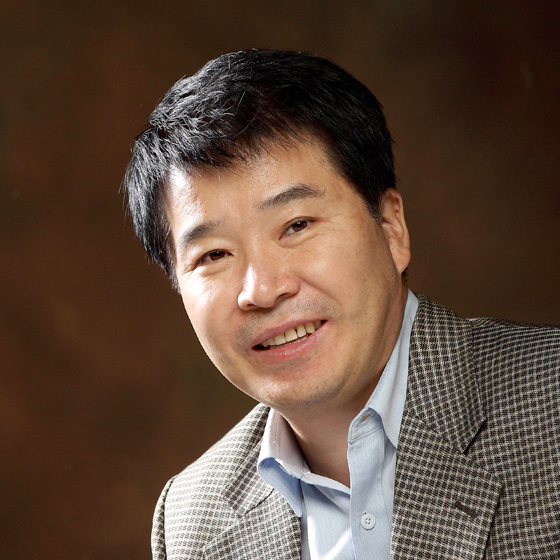
Dr. Eun-jung Lee, MD, PhD & Master's Degree in Law
Plastic Surgeon
Dr. Eun-jung Lee is the founding director and sole treating specialist at Yonsei Natural Beauty Aesthetic Surgical Clinic, with more than 25 years of clinical experience in plastic surgery. Dr. Lee is a board-certified plastic surgery specialist and holds a Master of Medicine and Doctor of Medicine from Yonsei University, a Master of Laws from Korea University, and serves as an adjunct professor at Yonsei University College of Medicine.
Dr. Lee's professional affiliations include full membership in the Korean Society of Plastic and Reconstructive Surgeons, life membership in the Korean Society for Aesthetic Plastic Surgery, and membership in an international plastic surgery society, along with a former leadership role chairing the academic committee of a national eyelid surgery research group. Directly relevant to rhinoplasty, the clinic emphasizes a high level of understanding of facial anatomy in surgical planning, along with a one-person surgical director system — meaning there are no ghost doctors or contracted surgeons involved, and consultation and surgery are conducted entirely by Dr. Lee herself.
At Yonsei Natural Beauty Aesthetic Surgical Clinic, every rhinoplasty patient is evaluated, treated, and followed up on directly by Dr. Lee — reflecting a care philosophy centered on continuity between planning, surgery, and recovery, and on not missing structural details that affect how naturally a corrected nose integrates with the rest of the face.
International Patients & Global Support for Rhinoplasty Care
Patients traveling for rhinoplasty are often weighing which specific type of correction applies to their nose — bulbous, short, hooked, or deviated — while also managing the logistics of traveling abroad for a procedure that requires careful surgical planning. Yonsei Natural Beauty Aesthetic Surgical Clinic's one-doctor system is designed to simplify this process, since the same specialist manages consultation, surgery, and follow-up from start to finish.
Key considerations for patients traveling from abroad for rhinoplasty typically include:
- A thorough pre-surgical consultation to determine which nose type category applies and which surgical method is appropriate, including whether general anesthesia may be needed for more extensive correction
- Clear guidance on the expected recovery timeline before returning home, including suture removal scheduling, typically within the first several days after surgery
- Access to aftercare materials and self-care guidance to manage swelling and discomfort during the approximately one-week recovery period
- Transparent communication about whether any additional follow-up visits are needed before departure
Patients traveling to Seoul for rhinoplasty can expect a structured, single-point-of-contact treatment experience designed to reduce uncertainty at every stage, from the initial nose-type assessment through full recovery.
Real Patient Journeys for Rhinoplasty
Case Example — Hooked Nose Correction
A patient in his mid-thirties sought consultation for a pronounced dorsal hump that gave his profile a harsher, more severe look than he felt matched his personality, and that had become more noticeable to him over the years. During consultation, the degree of bone and cartilage overgrowth was assessed, and a surgical plan was developed involving osteotomy to reduce the hump, along with cartilage support to maintain a smooth nasal bridge afterward. Following surgery, he completed a structured recovery period with scheduled suture removal, and reported that his profile looked noticeably softer and better balanced with the rest of his face.
What to Expect from Rhinoplasty Treatment Process
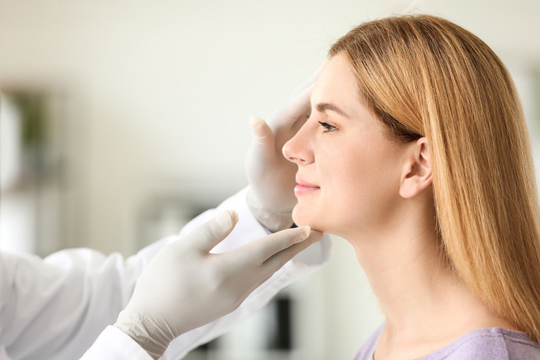
Step 1: Initial Consultation
The process begins with a direct, one-on-one consultation with Dr. Lee, during which the nasal bridge, tip, alar cartilage, and overall facial proportions are assessed to determine which nose type — bulbous, short, hooked, or deviated — best describes the patient's structure, and whether any functional concerns, such as breathing difficulty, are also present.
Step 2: Personalized Surgical Plan
Based on the consultation findings, an individualized surgical plan is developed, selecting the appropriate combination of techniques — cartilage trimming, cartilage grafting, osteotomy, or implant augmentation — matched specifically to the patient's identified nose type and the severity of their concern.
Step 3: Ongoing Follow-Up and Aftercare
Following surgery, patients receive structured aftercare focused on reducing swelling and discomfort, with suture removal typically scheduled 4–5 days after surgery and a recovery period of approximately one week — all monitored by the same specialist who performed the surgery to ensure continuity through the full healing process.
Ready to Discuss the Right Rhinoplasty Approach for Your Nose With a Specialist?
Whether your concern is a bulbous nasal tip, a short nose, a hooked nose, or a deviated nose — with or without functional symptoms — Yonsei Natural Beauty Aesthetic Surgical Clinic offers a consistent, single-specialist approach to rhinoplasty, matched to your specific nasal structure from your first consultation through full recovery. Speak directly with Dr. Eun-jung Lee to discuss your nose type, your goals, and which surgical approach may be the right fit for you.
Contact our care team directly to arrange a consultation with Dr. Eun-jung Lee and receive guidance on next steps for your rhinoplasty journey.
Related Services
Procedures performed personally by Dr. Lee Eun-jung.

Neck Wrinkle Correction
Surgical neck wrinkle correction addresses these structural changes directly.
Learn More

Preauricular Facelift Surgery
Preauricular facelift surgery addresses facial aging at the structural level. The incision is placed within the preauricular zone — in front of and around the ear — where it heals in a naturally concealed location.
Learn More

Under-Eye Fat Repositioning
Under-eye fat repositioning is a surgical procedure that addresses this structural cause directly.
Learn More